Thursday, 2 June 2016

E900 - E999 Miscellaneous E Numbers
E Number Numbers Miscellaneous OtherWhile most E figures are categorized into easy-to-understand details of appropriate types, there are some others that don’t fit into those categories. These are what’s known to as the various E figures and they’re prefixed with E900 to E999. So what are these extra additives?
Some of the various E figures play similar positions to preservatives in other categories, such as emulsifiers and stabilisers, but others have additional positions that aren’t seen elsewhere in the categorisation. For example, there are anti-foaming providers, standard water repellents, waxes, replacement windows and improving providers, flour improvers, bleachers and sealers.

Some of the generally used various E figures include:

This can be discovered in items such as jellies and fruits juice. It performs the function of an anti-foaming broker and a standard water resilient.
E901 Beeswax (white and yellow) This is a normally procured creation that comes from the honeycomb generated by bees. Where white-colored beeswax is used, this is a bleached and filtered form. It’s used in items as a replacement windows and improving broker and also has a launch broker.

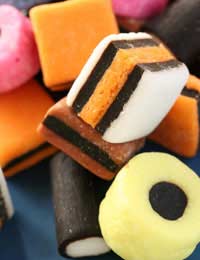
E903 Carnauba waxThis wax is yellow-colored or light brownish in color and is procured from the results in of the plants such as the Copernicia cerifera, or a Brazil wax hand. It’s respected because of its replacement windows and improving capabilities and is particularly used in glucose confectionary and candy items.


E904 ShellacThis E variety comes from the material generated by an pest known as the Lac (or Laccifer lacca). It’s relevant to mealy insects and range insects and is a local of Indian. Different substance procedures are used to generate four different professional qualities of shellac. It’s used as a replacement windows broker and are available in items such as candies, bubbly beverages, glucose confectionary and candies.

E951 AspartameThis is synthetic sweetener that’s very extreme – up to 200 times more gratifying than glucose, in fact. It’s used commonly in low-calorie and diet meals and beverages, but has triggered some debate over the years.

Complete Referrals Secrets and techniques for Miscellaneous E Numbers
The following record provides a finish reference information to all the various E figures throughout the E900 to E999 classification. If you’re eager to prevent purchasing items with these E figures in them, or want to monitor what preservatives are in certain items you’re looking at, then why not create out this record and take it with you when you go shopping.
It’s also worth taking into consideration that some producers don’t record the E variety on the components record. Instead they record the full substance or item name, so a listing like this makes a useful reference information.
  • E900 Dimethylpolysiloxane
  • E901 Beeswax (white and yellow)
  • E903 Carnauba wax
  • E904 Shellac
  • E905 Paraffins
  • E907 Refined microcrystalline wax
  • E912 Montan acid esters
  • E914 Oxidised polyethylene wax
  • E920 L-cysteine and its hydrochlorides
  • E924 Potassium bromate
  • E925 Chlorine
  • E926 Chlorine dioxide
  • E927 Azodicarbonamide
  • E927a L-Cysteine
  • E927b Carbamide
  • E928 Benzol peroxide
  • E931 Nitrogen
  • E932 Nitrous oxide
  • E938 Argon
  • E939 Helium
  • E941 Nitrogen
  • E942 Nitrous oxide
  • E943a Butane
  • E943b Iso-butane
  • E944 Propane
  • E948 Oxygen
  • E949 Hydrogen
  • E950 Acesulphane
  • E951 Aspartame
  • E952 Cyclamic acid
  • E954 Saccharines
  • E957 Thaumatin
  • E965 Hydrogenated glucose syrup
  • E967 Xylitol
  • E999 Quillaia extract
E600 - E699 Flavour Enhancers
Flavour Enhance Enhancer Enhancers E600The number of preservatives prefixed with figures from E600 to E699 are known as flavor boosters. Here we look at what they are, why they’re involved in meals and why one in particular will be questionable.

Flavour boosters play a crucial part in meals and beverages. Rather than including artificial flavor, they bring out – or improve – the current flavor of merchandise without including a new flavor or flavor of their own. Like other E figures, flavor boosters can come from both organic and artificial, or man made, resources.

Flavour boosters are used in a wide range of meals, both lovely and savoury. For example, they can be found in cereal, bundle cereal, chicken desserts, sausages, pre-cooked dry feed, cereal, gravy granules, crisps, snacks, breads and desserts. Although it’s not totally considered as an idea increaser, one of the world’s best known boosters that is used commonly is the modest touch of suspicion.

E621 – Monosodium Glutamate (MSG)
One flavor increaser in particular, namely E621 or Monosodium glutamate (MSG) has become a bit questionable. The substance was designed back in 1908 from a type of seaweed known as laminaria japonica. These days, however, it’s normally ready from glucose beet pulp.


Although it is used commonly in the UK and in other areas of the world and works successfully as an idea increaser, it also provides with it some side-effects. The side-effects have obtained the headline of, “Chinese Cafe Problem,” as MSG has been used a lot in China food in the past. Some of the signs and signs add a pounding heart, faintness, complications, muscular pain, feeling sick, migraine-like complications, discomfort in the throat and hands.

Various research into MSG have been performed over the years. Not everybody is impacted by monosodium glutamate, but research suggest that some people may be extra understanding of it and have an intolerance of it, which generates all the undesirable signs. However, the final outcome achieved by professionals is that it’s usually safe for most of the inhabitants.

MSG is used in different amounts in items, but if you wish to cure it or know you have an intolerance of it, it is relatively easy to prevent taking any of the impacted items.

Complete Referrals Information to Flavour Enhancers
The following provides a finish reference secrets and techniques for all the flavor boosters in the E600 to E699 classification. Although there currently aren’t as many flavor boosters as there are other E figures, it’s worth taking into consideration that organic items such as spice up and sodium also work in the same way, but aren’t allocated an E wide range.
If you’re eager to prevent meals and beverages with certain E wide range flavor boosters in them, or want to check out what a certain wide range is when looking at appearance, then this list can easily be printed out so you can take it shopping with you. Remember, not all E figures are detailed as such on component brands – sometimes it will just function the long substance name rather than the range.

  • E620 - Glutamic acid
  • E621 - Monosodium glutamate
  • E622 - Monopotassium glutamate
  • E623 - Calcium glutamate
  • E624 - Ammonium glutamate
  • E625 - Magnesium glutamate
  • E626 - Guanylic acid
  • E627 - Sodium guanylate
  • E628 - Di-potassium guanylate
  • E629 - Calcium guanylate
  • E630 - Inosinic acid
  • E631 - Sodium inosinate
  • E632 - Di-potassium inosinate
  • E633 - Calcium inosinate
  • E634 - Calcium ribonucleotides
  • E635 - Di-sodium ribonucleotides
  • E636 – Maltol
  • E637 – Ethylmaltol
  • E640 - Glycine and sodium glycinate
E500 - E599 Acidity Regulators and Anti-Caking Agents
Anti-caking Anti Cake Caking AcidE figures branded from E500 to E599 type a classification known as acidity authorities and anti-caking providers. Here we look at exactly what their part in items is and what all the figures are.

Acidity Regulators
As the name appropriately indicates, acidity authorities are used in unhealthy meals to modify or management the acidity or alkalinity of merchandise. It can make them more tasty for the customer, but also allows the meals in its preferred condition when it is being created. Sometimes acidity authorities are known to as pH management providers too.
Although most acidity authorities drop into the E500 to E599 type of E figures, there are others that are marked around within other groups. These are all what provide more than one objective and have been categorized according to their main use. Illustrations of this include:


  • E260 – Aceetic acidity (this is also a shield, additive, flavour and diluent).
  • E261 – Blood potassium acetate (this is also a color preserver and buffer).
  • E262 – Salt hydrogen diacetate (this is also a additive shield and sequestrant).

Anti-Caking Agents
When unhealthy meals are being created, the components are usually combined together in powder type. Anti-caking providers are used to help with this procedure, guaranteeing that all the grains mix together effectively during manufacturing, which will help the chance of components clumping or adhering together in mounds.
If anti-caking providers aren’t involved, some meals and beverages we overlook wouldn’t be as easy to take as regular. For example, hot candy that comes in powder type in packages or bathtubs wouldn’t mix up so quickly to build an attractive eat. Where the grains are used in selling devices, they’d become irregular, prevent the small pipes in the devices and the eat wouldn’t flavor right.


There are at least 99 different kinds of anti-caking providers used in meals and beverages nowadays, which range from some that come from organic resources to others that are man made particularly. Some of organic anti-caking providers consist of kaolin (E559) and talcum powder (E553b). Produced anti-caking components consist of calcium mineral silicate (E552), mineral magnesium carbonate (E504) and sodium aluminosilicate (E554).


The greater part of anti-caking providers can be discovered with E figures from 500 to 599, but there are one or two that drop into other groups. Like the acidity authorities, this is due to the component having double reasons. Illustrations include:


  • E421 – Mannitol (which is also a texturising broker, a sweetening broker, and anti-sticking broker and a humectant).
  • E460a – Microcrystalline cellulose (which is also a bulking broker, folder and stabiliser).
  • E460b – Leader cellulose (which is also a bulking broker, folder and stabiliser).

Complete Referrals Information to Level of acidity Regulators and Anti-Caking Agents
The following record provides an extensive reference secrets and techniques for all the acidity authorities and anti-caking providers generally used in meals and beverages. If you’re eager to prevent purchasing items with these E number in, why not create this record out and take it purchasing with you.
  • E500 - Sodium carbonate
  • E501 – Potassium carbonate
  • E503 – Ammonium carbonate
  • E504 – Magnesium carbonate
  • E507 – Hydrochloric acid
  • E508 – Potassium chloride
  • E509 – Calcium chloride
  • E511 – Magnesium chloride
  • E512 – Stannous chloride
  • E513 – Sulphuric acid
  • E514 – Sodium sulphates
  • E515 – Potassium sulphate
  • E516 – Calcium sulphate
  • E517 – Ammonium sulphate
  • E520 – Aluminium sulphate
  • E521 – Aluminium sodium sulphate
  • E522 – Aluminium potassium sulphate
  • E523 – Aluminium ammonium sulphate
  • E524 – Sodium hydroxide
  • E525 – Potassium hydroxide
  • E526 – Calcium hydroxide
  • E527 – Ammonium hydroxide
  • E528 – Magnesium hydroxide
  • E529 – Calcium oxide
  • E530 – Magnesium oxide
  • E535 – Sodium ferrocyanide
  • E536 – Potassium ferrocyanide
  • E538 – Calcium ferrocyanide
  • E541 – Sodium aluminium phosphate
  • E551 – Silicon dioxide
  • E552 – Calcium silicate
  • E553a – (i) Magnesium silicate and (ii) magnesium trisilicate
  • E553b – Talc
  • E554 – Sodium aluminium silicate
  • E555 – Potassium aluminium silicate
  • E556 – Aluminium calcium silicate
  • E558 – Bentonite
  • E559 – Kaolin
  • E570 – Fatty acids
  • E574 – Gluconic acid
  • E575 – Glucono delta-lactone
  • E576 – Sodium gluconate
  • E577 – Potassium gluconate
  • E578 – Calcium gluconate
  • E579 – Ferrous gluconate
  • E585 – Ferrous gluconate
E400 - E499 Thickeners, Stabilisers and Emulsifiers
E400 E499 E Number Numbers ThickenE figures that are branded with a prefix of between E400 and E499 get into the classification of thickeners, stabilisers and emulsifiers (some are also gelling providers too). Here we provide a finish explanation of what each of these variations of preservatives are and why they’re used in meals, and provide understanding of what everyone preservative in the classification is.

Thickeners do fairly much what the name indicates – they add width to items, bulking them up and helping the structure and look of merchandise. Emulsifiers are included to meals to help mix together what would otherwise normally personal. One example is oil and standard water, which wouldn’t usually mix together completely and illustrations of merchandise with emulsifiers in consist of ice lotion and mayo. Stabilisers come into adhere to making sure that the components organised together by emulsifiers won’t personal again.

There are also a several of gelling providers in the E400 to E499 classification, mainly where they also have another part, such as being a stabiliser or emulsifier. Gelling providers perform the same part as thickeners, as they generally help meals gel together better. One example is E406, Sehingga. This comes from an all-natural resource – seaweed – and is used both as a thickener, gelling broker and a stabiliser.

This classification of E figures isn’t the only to have preservatives with double reasons, as many of the figures in other groups perform more than one part too. As with other E figures, they come from both organic and artificial, or man made, resources.


Guide to Thickeners, Stabilisers and Emulsifiers
The following provides a finish referrals secrets and techniques for all the thickeners, stabilisers and emulsifiers which comprise the E400 to E499 classification. If you’re eager to prevent purchasing items with these E figures in, or wish to keep monitor of what components are in certain items you’re looking at, then why not create out this record and take it with you when you buy.
  • E400 – Alginic acid
  • E401 – Sodium alginate
  • E402 – Potassium alginate
  • E403 – Ammonium alginate
  • E404 – Calcium alginate
  • E405 – Propane-1, 2-diol alginate
  • E406 - Agar
  • E407 - Carrageenan
  • E408 - Furcelleran
  • E410 – Locust bean gum
  • E411 – Oat gum
  • E412 – Guar gum
  • E413 - Tragacanth
  • E414 – Gum arabic
  • E415 – Xanthan gum
  • E416 – Karaya gum
  • E417 – Tara gum
  • E418 – Gellan gum
  • E420 - Sorbitol
  • E421 - Mannitol
  • E422 - Glycerol
  • E430 - Polyoxyethylene(8) stearate
  • E431 - Polyoxyethylene (40) stearate
  • E432 - Polyoxyethylene-20-sorbitan monolaurate
  • E433 - Polyoxyethylene-20-sorbitan mono-oleate
  • E434 - Polyoxyethylene-20-sorbitan monopalmitate
  • E435 - Polyoxyethylene-20-sorbitan monostearate
  • E436 - Polyoxyethylene-20-sorbitan tristearate
  • E440 - Pectin
  • E442 - Ammonium phosphatides
  • E450 - Di- and polyphosphates
  • E451 - Triphosphates
  • E452 - Polyphosphates
  • E460 - Cellulose
  • E461 – Methyl cellulose
  • E462 – Ethyl cellulose
  • E463 - Hydroxypropyl cellulose
  • E464 - Hydroxypropylmethyl cellulose
  • E465 - Methylethyl cellulose
  • E466 - Carboxymethyl cellulose
  • E470 – Fatty acid salts
  • E471 - Mono- and di-glycerides of fatty acids
  • E472 - Esters of mono- and diglycerides
  • E473 - Sugar esters of fatty acids
  • E474 - Sugarglycerides
  • E475 - Polyglycerol esters of fatty acids
  • E476 - Polyglycerol polyricinoleate
  • E477 - Propyleneglycol esters of fatty acids
  • E478 - Mixture of glycerol and propyleneglycol esters of lactic acid and fatty acids
  • E479 - Esterified soy oil
  • E480 - Dioctyl sodium sulphosuccinate
  • E481 - Sodium stearoyl lactate
  • E482 - Calcium stearoyl lactate
  • E483 - Stearyl tartrate
  • E484 - Stearyl citrate
  • E490 - Propylene glycol
  • E491 - Sorbitane mono stearate
  • E492 - Sorbitane tri stearate
  • E493 - Sorbitane mono laurate
  • E494 - Sorbitane mono oleate
  • E495 - Sorbitane mono palmitate
E300 - E399 Antioxidants and Acidity Regulators
Acidity Acid Regulator RegulatorsThe E figures prefixed from 300 to 399 are mostly anti-oxidants and acidity authorities with the odd few other additives added too too. Here we look at what they all are and why they’re a part of meals and beverages.

Antioxidants
Antioxidants are used in meals in a identical way to additives, as they perform a key part in increasing the life expectancy of merchandise and assisting enhance flavor and the look of meals. They also help decrease an activity known as compound lightly browning, which is when fresh fruits and vegetables become discoloured after a while.
Antioxidants can be both manmade/synthetic and organic. An example of a organic anti-oxidant discovered on the record below is E300, vit c, which is actually supplement C. In addition, several tocopherols are detailed from E306 to E309, and these are 100 % organic components from the supplement E close relatives.

As far as artificial anti-oxidants go, one traditional example is the gallates, which happen from E310 to E312. These are a key component in items such as marg. and oil, becoming a additive to keep items staying more time.

Acidity Regulators
Additives known as acidity authorities are used to help management or modify the alkaline or acidity stages in meals. It allows items become more tasty to eat and guarantees meals remain like that as they are being made (sometimes the stages of handling can otherwise modify meals, if additives such as this aren’t included).
The sharp-eyed amongst you may have observed that acidity authorities are also detailed as being prefixed in the E500 to E599 category. That’s certainly real, but there are also a few acidity authorities hiding within the E300 to E399 category. They’ve mainly been categorized in this way as they also provide other positions too.


Added Extras
Within the E300 to E399 there are a few red herrings too. These are additives that have been categorized to lie within this team, but aren’t actually an anti-oxidant or an acidity regulator. This is because there have been periods when it just seemed simpler for the category professionals to add them there – where possible the categories keep to their overall categories, but on some events, there are included accessories involved. Where these happen, they are mentioned on the record below.
It is also important to note that many additives have several positions. There are several anti-oxidants and acidity authorities that also provide extra reasons.

Complete Referrals Information to Antioxidants and Level of acidity Regulators
The following record provides a finish reference secrets and techniques for all the anti-oxidants and acidity authorities discovered within the E300 to E399 category. If you’re eager to prevent purchasing items with these E figures in, or want to keep monitor of what additives are in certain items you’ve looking at, then why not create out this record and take it with you when you go purchasing.
E300 – L-ascorbic acid
E301 – Sodium L-ascorbate
E302 – Calcium L-ascorbate
E304 – 6-0-palmitoyl-L-ascorbic acid
E306 – Extracts of tocopherols
E307 – Alfa-tocopherol
E308 – Gamma-tocopherol
E309 – Delta-tocopherol
E310 – Propyl gallate
E311 – Octyl gallate
E312 – Dodecyl gallate
E313 – Thiodipropionic acid
E314 – Guaiac gum
E315 – Erythorobic acid
E316 – Sodium erythorbate
E319 – Butylhydroxinon
E320 – Butylated hydroxyanisole
E321 – Butylated hydroxytoluene
E322 – Lecithin – a natural emulsifier
E325 – Sodium lactate
E326 – Potassium lactate
E327 – Calcium lactate
E330 – Citric acid
E331 – Sodium citrates
E332 – Potassium citrates – a buffer and emulsifying salt.
E333 – Mono, di and tri-calcium citrate – a buffer, firming agent, emulsifying salt, sequestrant and flour improver.
E334 – L-(+)-tartaric acid
E335 – Mono / di sodium L-(+)-tartate
E336 – Mono potassium L-(+)-tartate
E337 – Potassium sodium L-(+)-tartate
E338 – Phosphoric acid – a buffer
E339 – Sodium orthophosphates – a buffer
E440 – Potassium orthophosphates – a buffer
E341 – Magnesium orthophosphates – a buffer
E350 – Sodium malate
E351 – Potassium malate
E352 – Calcium malate
E353 – Meta tartaric acid – an emulsifier
E354 – Calcium tartarate
E355 – Adipic acid
E356 – Sodium adipate
E357 – Potassium adipate
E363 – Succinic acid
E365 – Sodium fumarate
E370 – 1,4, Heptonolactone
E375 – Nicotonic acid – a colour protector
E380 – Tri-ammonium citrate
E385 – Calcium disodium ethylene diamine tetra-acetate – a sequestrant
E386 – Disodium ethylene diamine tetra-acetate (EDTA) – a stabiliser
E387 – Oxysterarin – a stabiliser
E388 – Thiodipropionic acid
E200 - E299 Preservatives
E Number Numbers Preserve PreservativeE figures with a prefix from E200 to E299 fall into the preservative classification. Here we offer an extensive explanation of preservatives looking at what they do and the actual preservative each E variety symbolizes.

Preservatives play a crucial part in prepared meals. Normally, clean or organic items have a restricted lifestyle expectancy and will go off or corrosion after a certain time interval. One of the promoting points of unhealthy meals is that it continues more time and can stay on the grocery store display or in our cabinets for a lot more time than if we were buying clean produce. It’s thanks to preservatives that living of prepared meals is extended so much, as it’s these preservatives which allow this to be possible.

Not only do they help meals last more time before being started out, but preservatives also help things stay delicious for time after they’ve been started or the bundle has been started out. They work by suppressing and avoiding the development of mold that would otherwise create meals decline past its best.

The understanding of assisting items last more time is not a new concept – the art of protecting meals has been around for years and years. There are various types of preservative that come from organic resources, such as sodium and therapy, and these are still used in this way today. But in today’s modern world there are also numerous artificial or man made preservatives and these create up many of the E figures in this classification.


Some of the preservatives used in meals include blood potassium nitrate (E249) and blood potassium nitrate (E252), which are frequently used to help protect foods, such as ham, corned meat and bread. When fresh fruits are dry, they need an included extra to help protect their flavor, look and flavor, and sulphur dioxide (E220) is generally used for this objective.

Complete Referrals Information to Preservatives
The following offers an extensive reference secrets and techniques for all the preservatives widely used in meals and beverages. If you’re eager to prevent items with certain E variety preservatives in them, why not create out this list and take it shopping with you, so you can see at a peek which figures it is you’re eager to prevent.
  • E200 – Sorbic acid
  • E201 – Sodium sorbate or sorbic acid sodium salt
  • E202 – Potassium sorbate
  • E203 – Calcium sorbate
  • E210 – Benzoic acid
  • E211 – Sodium benzoate
  • E212 – Potassium benzoate
  • E213 – Calcium benzoate
  • E214 – Ethyl 4-hydroxybenzoate
  • E215 – Ethyl 4-hydroxybenzoate sodium salt
  • E216 – Propyl 4-hydroxybenzoate
  • E217 – Sodium salt of E216
  • E218 – Methyl 4-hydroxybenzoate
  • E219 – Sodium salt of E218
  • E220 – Sulphur dioxide
  • E221 – Sodium sulphite
  • E222 – Sodium hydrogen sulphite
  • E223 – Sodium metabisulphite
  • E224 – Potassium metabisulphite
  • E225 – Potassium sulphite
  • E226 – Calcium sulphite
  • E227 – Calcium hydrogen sulphite
  • E228 – Potassium hydrogen sulphite
  • E230 – Biphenyl
  • E231 – 2-hydroxybiphenyl
  • E232 – Sodium biphenyl-2-yl oxide
  • E233 – 2-(Thiazol-4-yl) benzimidazole
  • E234 – Nisin
  • E235 – Pimaracin
  • E236 – Formic acid
  • E237 – Sodium formate
  • E238 – Calcium formate
  • E239 – Hexamine
  • E240 – Formaldehyde
  • E242 – Dimethylcarbonate
  • E249 – Potassium nitrate
  • E250 – Sodium nitrite
  • E251 – Sodium nitrate
  • E252 – Potassium nitrate
  • E260 – Acetic acid
  • E261 – Potassium acetate
  • E262 – Sodium acetate
  • E263 – Calcium acetate
  • E270 – Lactic acid
  • E280 – Propionic acid
  • E281 – Sodium propionate
  • E282 – Calcium propionate
  • E283 – Potassium propionate
  • E284 – Boric acid
  • E285 – Sodium tetraborate
  • E290 – Carbon dioxide
  • E296 – Malic acid
  • E297 – Fumaric acid
E1000 - E1999 Additional Chemicals
Additional Chemicals Chemical AdditionE figures with a prefix from E1000 to E1999 fall into the extra substances classification. Here we look at what all these substances are and the part they perform.

The extra substances classification involves a range of E figures that perform a number of different features. The classification was partially meant to account for new substances that were developed or a part of meals after the very first details were made and partially for those that weren’t allocated an E number formerly. Like other preservatives, they’re each a part of meals and beverages for a particular objective – either one particular part, or several positions.
For example, E1200 (polydextrose) is both a stabiliser, thickening broker, humectant and service provider and E1450 (starch salt octenyl succinate) is an emulsifier, stabiliser and thickening broker. If you haven’t come across the phrase humectant before, in the case of meals preservatives, this means that caffeine helps to keep the foodstuff wet.

Complete Referrals Information to Additional Chemicals
The following provides a useful reference secrets and techniques for all the extra substances generally used in meals and beverages. Where possible, the actual part of each extra substance is here.


If you’re eager to prevent items with certain E figures in them, then you could create out this list and take it shopping with you. It is definitely value taking into consideration that the components and material of meals and beverages can change over time, as producers try out new dishes or fix their items. So if you are going to prevent purchasing certain items with these E figures in, it’s value maintaining an eye on the foodstuff brands to check for any changes being made. Sometimes producers will add brands such as, “New and enhanced,” which will create changes better, but on other events new components will be silently fallen in without making a big 
  • E1103 Invertase – a stabiliser
  • E1105 Lysozyme – a preservative
  • E1200 Polydextrose – a stabiliser, thickening agent, humectant and carrier
  • E1201 Polyvinylpyrrolidone – a stabiliser
  • E1202 Polyvinylpolypyrrolidone – a stabiliser and carrier
  • E1204 Pullulan
  • E1401 Modified starch – a stabiliser and thickening agent
  • E1402 Alkaline modified starch – a stabiliser and thickening agent
  • E1403 Bleached starch – a stabiliser and thickening agent
  • E1404 Oxidised starch – an emulsifier and thickening agent
  • E1410 Monostarch phosphate – a stabiliser and thickening agent
  • E1412 Distarch phosphate – a stabiliser and thickening agent
  • E1413 Phosphated distarch phosphate – a stabiliser and thickening agent
  • E1414 Acetylated distarch phosphate – an emulsifier and thickening agent
  • E1420 Acetylated starch, mono starch acetate – a stabiliser and thickening agent
  • E1422 Acetylated distarch adipate – a stabiliser and thickening agent
  • E1430 Distarch glycerine – a stabiliser and thickening agent
  • E1440 Hydroxy propyl starch – an emulsifier and thickening agent
  • E1441 Hydroxy propyl starch – an emulsifier and thickening agent
  • E1442 Hydroxy propyl distarch phosphate – a stabiliser and thickening agent
  • E1450 Starch sodium octenyl succinate – an emulsifier, stabiliser and thickening agent
  • E1451 Acetylated oxidised starch – an emulsifier and thickening agent
  • E4152 Starch aluminium octenyl succinate
  • Polyethylene glycol 6000
  • E1505 Triethyl citrate – a foam stabiliser
  • E1510 Ethanol
  • E1518 Glyceryl triacetate; triacetin – a humectant
  • E1520 Propan-1,2-diol; propylene glycol – a humectant
E100 - E199 Colours
E Number Numbers Colour ColoursThere are an extensive variety of colors used in items nowadays making them look more attractive and attractive to customers. Here we take a look at all the colors that from the E variety color classification.
The colors used in meals and beverages from the E figures from 100 to 199. This causes it to be a bit less difficult, as a person, to recognize when an E variety is a color or not, as it will always be from E100-199. If it doesn’t start with a 1, then it’s not a color.

As more colors are included, you’ll find that some figures have additional a, b, c, d, e or f prefixes to provide the new product. For example, E150 has additional choices for E150a, E150b, E150c and E150d. Where these are included, they are usually colors from the same family as the unique E variety prefix and are relevant in type and use.

Colours can either come from organic resources, such as E100, which comes from turmeric extract, or E162, which comes from beetroot, or they can be synthetic and man made. Meals coloring are used in an extensive assortment – some of which may shock you. Look out for them described on the brands of merchandise such as bubbly beverages, fruits crush, candies, candies, whisky egg, haddock, jam, jam, desserts, cookies and bundle sauces.


Colours are one of the more questionable E variety groups, as there has been some analysis indicating some of the synthetic colors are accountable for resulting in attention deficit disorder in kids. Producers have started for making tries to lessen their use of certain suspicious colors. However, it currently seems unlikely that the use of any food colors at all will be eliminated absolutely.

Complete Referrals Secrets and techniques for Colours
The following provides an extensive reference information to all the colors widely used in meals and beverages. If you’re eager to prevent purchasing items with E variety colors in them, why not create out this record and take it purchasing with you?
  • E100 Curcumin, turmeric
  • E101 Riboflavin (Vitamin B2)
  • E101a Riboflavin-5'-Phosphate
  • E102 Tartrazine
  • E103 Chrysoine resorcinol
  • E104 Quinoline yellow
  • E105 Fast Yellow AB
  • E106 Riboflavin-5-Sodium Phosphate
  • E107 Yellow 2G
  • E110 Sunset Yellow FCF
  • E111 Orange GGN
  • E120 Cochineal
  • E121 Orcein, Orchil
  • E122 Carmoisine
  • E123 Amaranth
  • E124 Ponceau 4R
  • E125 Ponceau SX, Scarlet GN
  • E126 Ponceau 6R
  • E127 Erythrosine
  • E128 Red 2G
  • E129 Allura Red AC
  • E130 Indanthrene blue RS
  • E131 Patent Blue V
  • E132 Indigo carmine
  • E133 Brilliant Blue FCF
  • E140 Chlorophylls
  • E141 Copper complexes of chlorophylls and chlorophyllins
  • E142 Greens S
  • E143 Fast Green FCF
  • E150a Plain Caramel
  • E150b Caustic sulfite caramel
  • E150c Ammonia caramel
  • E150d Sulphite ammonia caramel
  • E151 Black PN
  • E152 Black 7984
  • E153 Carbon black
  • E154 Brown FK
  • E155 Brown HT
  • E160a Alpha-carotene, beta-carotene, gamma-carotene and carotene
  • E160b Annatto
  • E160c Paprika extract, Capsanthin
  • E160d Lycopene
  • E160e Beta-apo-8'-carotenal
  • E160f Ethyl ester of beta-apo-8'- carotenic acid
  • E161 Xanthophylls
  • E161a Flavoxanthin
  • E161b Lutein
  • E161c Cryptoxanthin
  • E161d Rubixanthin
  • E161e Violaxanthin
  • E161f Rhodoxanthin
  • E161g Canthaxanthin
  • E161h Zeaxanthin
  • E161i Citranaxanthin
  • E161j Astaxanthin
  • E162 Beetroot Red
  • E163 Anthocyanins
  • E163a Cyanadin
  • E163b Delphinidin
  • E170 Calcium carbonate
  • E171 Titanium dioxide
  • E172 Iron oxides and hydroxides
  • E173 Aluminium
  • E174 Silver
  • E175 Gold
  • E180 Pigment Rubine
  • E181 Tannin
Does E631 Use Extracted Pig's Fat or Sardine Oil? In Urdu Detail
Q.

Can you tell me about the resource of flavor preservative E631 which is used in some spud chips/crisps. I cannot tell from anything I've study whether it comes from pig's fat, another creature - or indeed sardine oil? It's essential to many individuals prevent items purchased hogs.


A.
E Number E631 Pigs Fish Sardines Animals
Thanks for delivering in your query. The E variety known as E631 (or salt inosinate) is an preservative that is used in many items to act as a flavor increaser and create meals flavor excellent. As well as improving other flavors, it’s used regularly in items such as spud crisps as it also minimizes the quantity of salt required (and decreasing salt consumption has become quite a big wellness problem recently, with producers competing to get their stages of salt in items down).

Sodium inosinate comes from inosinic acidity, an acidity that are available in many different creatures, such as hogs or seafood, such as sardines. In some instances it can also become from bacterially aging some carbs.

As far as professional use goes, most producers do resource their E631 from creatures and seafood, while a few may use the fermentation technique. The challenging bit is if you want to particularly prevent E631 that comes from chicken, as most items will not say on their components record exactly where it comes from.


You could try composing to producers to ask exactly where it comes from. There’s no assurance that you’ll get a specified response, but it’s always value a try and, you never know, some might be responsive and willing to provide you with the essential points. However, if it’s an problem that really issues you and you don’t want to discover yourself unintentionally eating with E631 procured from hogs, probably the best shift is to prevent items absolutely.

It’s effort sometimes trying to prevent these annoying E figures, especially with so many invisible in the meals and beverages we appreciate, but if you really do need or want to prevent certain figures, hunting the components details before you order items is the best way of guaranteeing you’re not getting more than you bargained for.

We realize the significance for many individuals of preventing items purchased hogs, which is why we’ve released content such as this one on - E figures not appropriate for a Halal diet program - if you’re looking to prevent other E figures with hyperlinks to chicken items, then you may discover this to be a useful study.
Dangers and Side Effects of E Numbers
E Number Numbers Danger DangersMore information is being learned about E figures all the time and certain E figures are now known to produce adverse responses and undesirable responses in some individuals. Here we look at the known dangers and adverse responses of some generally used E figures.

Before being authorized for use in the European Union (EU) all E figures and additives have to go through various examining procedures. But despite the checks and examining methods, some E figures that may cause issues have slipped through the net and become a regular part of our beverages and meals. In such cases, the true results of the E figures haven’t become known until individuals experience undesirable signs and wellness issues.

Just because a danger and complication has been noted, it doesn’t necessarily mean that everyone that eats or beverages a product with it in will be affected. Far from it, in fact, as some individuals can get away without any noticeable results. But individuals who are particularly understanding of the component, or experience other wellness issues that improve their sensitivity, sadly often do fall foul of the adverse responses.

The signs suffered by individuals variety from rashes and epidermis responses, to bronchial and difficulty in breathing, complications, gas, nausea and attention deficit disorder. The attention deficit disorder is particularly prone in kids and has been linked to a variety of colours generally used in items such as beverages.

Which E Numbers?
But how do you know the good E figures from the bad and which ones specifically have revealed effects?
E951 – Aspartame

Aspartame is an artificial sweetener that’s generally used as an component in items such as snacks, sweets, diet and low-sugar meals, beverages and candies. It’s known to affect some individuals who have phenylketonuira, or PKU, but responses have been revealed in others too. Part results are said to include complications.

E110 – sunset yellow

This is a yellow-colored coloring that is added to a wide assortment such as crush, jam, marzipan, jams, broth, cereal and tinned fish. Some individuals suggest it should be avoided by anyone suffering from existing delicate circumstances, such as bronchial asthma or urticaria (a epidermis condition), but it’s also one of the E figures analyzed by Southampton School scientists. They discovered it involved in improving attention deficit disorder in kids. The govt now suggest, if children has signs of attention deficit disorder of ADHD, it’s value preventing this additive.


E102 - tartazine

This is also a yellow-colored meals coloring and may cause allergies in some individuals, such as bronchial asthma attacks. It’s seen in a assortment, such as sauces, custard powder, mustard, nuts, jam, marzipan, ice lollies, fizzy beverages and crush. Again, it’s also been discovered to enhance attention deficit disorder in kids. The govt now suggest, if children has signs of attention deficit disorder or ADHD, it’s value preventing this additive. It is already prohibited from use in Luxembourg and Norwegian.

E122 - carmoisine

This is an artificial red dye that is generally seen in jam, jam, candies, tasting yoghurts, bundle broth and blancmange. It may cause allergies in some individuals. It’s one of the E figures analyzed by scientists from Southampton School determined to enhance attention deficit disorder in kids. The govt now suggest, if children has signs of attention deficit disorder of ADHD, it’s value preventing this additive. It’s already prohibited from use in The united states, Norwegian, Asia and Norway.

E124 – ponceau 4R / cochineal red

This is a type of coloring that is used in all sorts of items, such as jam, sauces, bundle cake mixes, dessert leading and salami. It’s one of the E figures that was lately flagged up in a study at Southampton School as improving attention deficit disorder in kids. The govt now suggest, if children has signs of attention deficit disorder of ADHD, it’s value preventing this additive. This E variety is already prohibited from use in The united states and Norwegian.

E129 – allura red

This orangey red meals coloring is an artificial dye that is used in meals such as candies and beverages. There are some signs that individuals who are delicate or intolerant of pain killers may be extra understanding of it. It’s one of the E figures analyzed by scientists from Southampton School determined to enhance attention deficit disorder in kids. The govt now suggest, if children has signs of attention deficit disorder of ADHD, it’s value preventing this additive. This E variety is already prohibited in many other nations, such as The country, France, Malaysia, Norway, Luxembourg and Norwegian.

E104 – quinoline yellow

This yellow-colored meals coloring is used in items such as whisky eggs, used haddock and ice cream. It’s one of the E figures analyzed by scientists from Southampton School determined to enhance attention deficit disorder in kids. The govt now suggest, if children has signs of attention deficit disorder of ADHD, it’s value preventing this additive. It’s already prohibited in many other nations, such as Australia, The united states, Asia and Norwegian.

E211 – sodium benzoate

This is used as additive in items such as sodas, marg., salad dressing, scented soy sauce, candies and some cereal. There are some signs that it may cause responses in individuals experience bronchial asthma or other delicate circumstances, particularly when consumed at the same time as E102, tartrazine. It’s one of the E figures analyzed by scientists from Southampton School determined to enhance attention deficit disorder in kids. The govt now suggest, if children has signs of attention deficit disorder of ADHD, it’s value preventing this additive.

Although these examples seem stunning enough on their own, this is by no means the fully extent of E figures that could be harmful to wellness.


E تعداد کے خطرات اور ضمنی اثرات

مزید معلومات E تعداد کے بارے میں ہر وقت کچھ سیکھا جا رہی ہے اور بعض E تعداد اب ضمنی اثرات اور کچھ لوگوں میں ان چاہے رد عمل پیدا کرنے کے لئے جانا جاتا ہے. یہاں ہم نام سے جانا جاتا خطرات اور کچھ عام طور پر استعمال E تعداد کے ضمنی اثرات پر نظر ڈالیں.

یورپی یونین (EU) کے تمام ای نمبرز اور additives میں استعمال کے لئے اجازت سے پہلے مختلف ٹیسٹنگ کے طریقہ کار کے ذریعے جانا ہے. لیکن چیک اور جانچ کے طریقوں کے باوجود، کچھ ای نمبرز مسائل پیدا ہو سکتی ہے کہ نیٹ ورک کے ذریعے فسل گیا اور ہمارے کھانے اور مشروبات کی ایک باقاعدہ حصہ بن گئے ہیں. لوگوں کو ناپسندیدہ علامات اور صحت کے مسائل کا شکار ہے جب تک اس طرح کے معاملات میں، ای نمبرز کے حقیقی اثرات مشہور ہو نہیں کی ہے.

صرف اس وجہ سے خطرے اور ضمنی اثر ذکر کیا گیا ہے، اس کے لئے ضروری نہیں ہے کہ ہر کوئی کھاتا ہے یا میں اس کے ساتھ ایک مصنوعات پیتا ہے متاثر ہو گی. اب تک اس سے، حقیقت میں، کچھ لوگوں کے کسی بھی نمایاں اثرات کے بغیر دور حاصل کر سکتے ہیں. لیکن لوگ جزو کے لئے خاص طور پر حساس ہوتے ہیں، یا شکار ہیں جو دوسرے صحت کے حالات ان کی سنویدنشیلتا میں اضافہ سے، افسوس کی بات ہے کہ اکثر ضمنی اثرات میں سے گندے گر ہے.

لوگوں کی طرف سے سامنا کرنا پڑا علامات rashes اور جلد رد عمل سے، شعبی اور سانس کے مسائل، سر درد، عمل انہضام کے مسائل، متلی اور hyperactivity تک. hyperactivity کے بچوں میں خاص طور پر شکار ہے اور بڑے پیمانے پر مشروبات مصنوعات میں استعمال کیا رنگ کی ایک رینج سے جوڑا گیا ہے.

جس میں ای نمبرز؟
لیکن اگر آپ کو برا اور خاص اثرات کی اطلاع دی ہے جو لوگوں کی طرف سے اچھی E تعداد کے لئے کس طرح جانتے ہیں؟
E951 - Aspartame

Aspartame بڑے پیمانے پر نمکین، ڈیسرٹ، غذا اور کم چینی کھانے کی اشیاء، مشروبات اور مٹھائیوں کی مصنوعات میں ایک جزو کے طور پر استعمال کیا گیا ہے کہ ایک مصنوعی سویٹنر ہے. یہ کچھ لوگوں phenylketonuira، یا PKU ہے جو متاثر کرنے جانا جاتا ہے، لیکن رد عمل بھی دوسروں میں روایت ہوئے ہیں. ضمنی اثرات سر درد شامل کرنے کے لئے کہا جاتا ہے.

E110 - غروب آفتاب پیلے

یہ ایک پیلے رنگ کاری جیسے اسکواش، جیلی، marzipan، جام، سوپ، ساس اور ٹن مچھلی کی مصنوعات کی ایک وسیع رینج شامل ہے کہ ہے. کچھ لوگ یہ موجودہ جیسے دمہ یا چھپاکی (ایک جلد کی حالت) الرجک حالات، سے دوچار کسی سے اجتناب کرے تجویز ہے، لیکن یہ بھی ساؤتھمپٹن ​​یونیورسٹی کے محققین کی طرف سے مطالعہ E تعداد میں سے ایک ہے. انہوں نے اسے بچوں میں بیش تناؤ میں اضافہ کرنے میں ملوث پایا. حکومت اب، کہ ایک بچے ADHD کے hyperactivity کے کی علامات ہیں، تو یہ اس کی additive گریز قابل ہے کی سفارش کرتے ہیں.


E102 - tartazine

یہ بھی ایک پیلے کھانے رنگنے ہے اور دمہ کے حملوں سمیت کچھ لوگوں میں الرجک رد عمل کا سبب بن سکتا. یہ اس طرح کے سوپ، کسٹرڈ پاؤڈر، رائی، مرببا، جیلی، marzipan، آئس ٹافیوں، fizzy مشروبات اور اسکواش مصنوعات، کی ایک رینج میں پایا ہے. ایک بار پھر، یہ حال ہی میں بچوں میں بیش تناؤ میں اضافہ کرنے کے لئے پایا گیا ہے. حکومت اب، کہ ایک بچے hyperactivity کے یا ایڈییچڈی کے آثار ہیں، تو یہ اس کی additive گریز قابل ہے کی سفارش کرتے ہیں. یہ پہلے ہی آسٹریا اور ناروے میں استعمال پر پابندی لگا دی جاتی ہے.

E122 - carmoisine

یہ عام طور پر جیلی، جام، مٹھائی، ذائقہ yoghurts، پیکٹ سوپ اور ہیں Blancmange میں پایا جاتا ہے کہ ایک مصنوعی سرخ ڈائی ہے. اس سے کچھ لوگوں میں الرجک رد عمل کا سبب بن سکتا ہے. اس ساؤتھمپٹن ​​یونیورسٹی سے محققین کی طرف سے تعلیم حاصل کی اور بچوں میں بیش تناؤ میں اضافہ کرنے کے لئے پایا E تعداد میں سے ایک ہے. حکومت اب، کہ ایک بچے ADHD کے hyperactivity کے کی علامات ہیں، تو یہ اس کی additive گریز قابل ہے کی سفارش کرتے ہیں. یہ پہلے ہی امریکہ، ناروے، جاپان اور سویڈن میں استعمال پر پابندی لگا دی ہے.

E124 - ponceau 4R / cochineal سرخ

یہ رنگنے جیلی، سوپ، پیکٹ کیک کے آمیزے، شیرینی ٹاپنگ اور سلامی سمیت مصنوعات کی ہر قسم، میں استعمال کیا جاتا ہے کی ایک قسم ہے. یہ ای نمبرز بچوں میں بیش تناؤ میں اضافہ کے طور پر حال ہی میں ساؤتھمپٹن ​​یونیورسٹی میں ایک مطالعہ میں روانہ کیا گیا ہے میں سے ایک ہے. حکومت اب، کہ ایک بچے ADHD کے hyperactivity کے کی علامات ہیں، تو یہ اس کی additive گریز قابل ہے کی سفارش کرتے ہیں. یہ E تعداد پہلے ہی امریکہ اور ناروے میں استعمال پر پابندی لگا دی جاتی ہے.

E129 - allura سرخ

یہ orangey سرخ کھانے رنگنے جیسے مٹھائی اور مشروبات کھانے کی اشیاء میں استعمال کیا جاتا ہے کہ ایک مصنوعی ڈائی ہے. کچھ اشارے لوگوں الرجک یا یسپرن کے اسہشنو ہیں جو اس کے لئے اضافی حساس ہو سکتا ہے ہیں. اس ساؤتھمپٹن ​​یونیورسٹی سے محققین کی طرف سے تعلیم حاصل کی اور بچوں میں بیش تناؤ میں اضافہ کرنے کے لئے پایا E تعداد میں سے ایک ہے. حکومت اب، کہ ایک بچے ADHD کے hyperactivity کے کی علامات ہیں، تو یہ اس کی additive گریز قابل ہے کی سفارش کرتے ہیں. یہ E تعداد پہلے ہی بیلجئیم، فرانس، جرمنی، سویڈن، آسٹریا اور ناروے سمیت کئی دوسرے ممالک میں پابندی عائد ہے.

E104 - پیلے رنگ quinoline

یہ پیلے کھانے رنگنے جیسے اسکاچ انڈے، سموکڈ haddock اور آئس کریم کی مصنوعات میں استعمال کیا جاتا ہے. اس ساؤتھمپٹن ​​یونیورسٹی سے محققین کی طرف سے تعلیم حاصل کی اور بچوں میں بیش تناؤ میں اضافہ کرنے کے لئے پایا E تعداد میں سے ایک ہے. حکومت اب، کہ ایک بچے ADHD کے hyperactivity کے کی علامات ہیں، تو یہ اس کی additive گریز قابل ہے کی سفارش کرتے ہیں. یہ پہلے ہی آسٹریلیا، امریکہ، جاپان اور ناروے سمیت کئی دوسرے ممالک میں پابندی عائد کر دی ہے.

E211 - سوڈیم benzoate

یہ اس طرح کے سافٹ ڈرنک، مارجرین، ترکاریاں ڈریسنگ، سویا ساس، مٹھائی اور بعض ساس مصنوعات میں preservative کے طور پر استعمال کیا جاتا ہے. کچھ اشارے جو لوگوں میں رد عمل E102، tartrazine طور پر ایک ہی وقت میں بسم جب خاص طور پر، دمہ یا دیگر الرجک حالات سے دمہ کا سبب بن سکتا ہے ہیں. اس ساؤتھمپٹن ​​یونیورسٹی سے محققین کی طرف سے تعلیم حاصل کی اور بچوں میں بیش تناؤ میں اضافہ کرنے کے لئے پایا E تعداد میں سے ایک ہے. حکومت اب، کہ ایک بچے ADHD کے hyperactivity کے کی علامات ہیں، تو یہ اس کی additive گریز قابل ہے کی سفارش کرتے ہیں.

ان مثالوں کو اپنے طور پر کافی چونکا دینے لگتے ہیں اگرچہ، یہ کوئی مطلب ہے کہ E اعداد صحت کے لئے نقصان دہ ہو سکتا ہے کہ سے پوری حد تک کی طرف سے ہے.
Top E Numbers to Avoid detail In Urdu And English
Enumbers Avoid Additives Colours SideAs it's highly likely that you'll have absorbed a meals product with an Enumber detailed on the brand at some point, you may have asked:

What are ENumbers?
Are they all bad?
Which ones should I really try to avoid?
What is an eNumber?
The Enumber that you see on meals brands is several sent to meals preservatives which have been examined and detailed (mostly as secure to use) in the Western Partnership. The figures relate to:
colours
flavouring agents
preservatives
anti-oxidants
sweeteners
gelling agents
emulsifiers
Are All ENumbers Bad for Me?
No, not all Enumbers are bad. The correspondence E (for Europe) together with its variety, essentially implies it's been examined by the powers-that-be in the EU and gives it an easily recognizable rule to ensure it is simple to look up. Natural ingredients like vitamin C (E300), paprika (E160c) and even fresh air (E948) each have an eNumber sent to them, along with many other normally happening ingredients.
All included preservatives have been examined (and therefore have Enumbers) and most feel secure in a small amount (within attributed suggested daily consumption limits) and - rather than being 'bad' substances - have actually assisted to take away the risk of serious meals harming such as that triggered by botox.

Many everyone cares about the long-term results of taking certain 'Enumbers' and especially the impact they could have on kids. 'Enumbers' do go through long examining procedures before being revealed on the public, but some have proven hyperlinks to gloomy effects on certain customer categories. Often though it’s because a person is particularly understanding of an component or factor within that substance, or because it exacerbates a preexisting situation they have.

Since this content was first published...
Choosing the top Enumbers worth preventing is a bit challenging, as there are lots that it would be ideal to prevent if you’re involved about your health. When this content was first published back in 2008 it involved the following:
E102 – tartrazine
E122 – carmoisine
E129 – allura red
E104 – quinoline yellow
These colors have alleged hyperlinks to attention deficit disorder in kids and while they are still allowed under EU regulation, the FSA (Food Requirements Agency) suggests that UK producers no longer consist of them in their foodstuffs. Refreshments provided to the EU which contain these preservatives, must are information:


" Name or E variety of the colour(s)’: may have a bad impact on action and attention in kids."

If you spot any meals (especially those targeted at children), which contain any of the above E figures and do not show the caution, contact the Food Requirements Organization.

E Numbers To Avoid
The following are still ones you may choose to avoid:
E621 – monosodium glutamate
Otherwise known as MSG, Monosodium Glutamate, E621 is an idea increaser that’s widely used to pep up foodstuffs and get them to flavor better. Unfortunately, it is known to cause trouble for some individuals – and certain individuals seem to more understanding of its results than others. Amongst the known part effects, MSG can cause symptoms such as complications, feeling sick, faintness, muscle discomfort, a pounding heart and even discomfort.
E951 – aspartame
Aspartame, E951 is synthetic sweetener that’s widely used as a sweetening component. In particular, it’s often discovered in items targeted at people or diabetes patients, such as sweets, low-fat meals, low glucose beverages, treats and candies. It’s well known to be connected to issues in individuals who experience from the illness PKU, and they are strongly suggested to prevent it completely. But synthetic sweetners has become a issue to other individuals too and part effects, such as complications, have often been revealed.
E211 – salt benzoate
E211, salt benzoate, is an E variety that’s used as a additive and is discovered in items such as marg., healthy salad dressing up, soy marinade, candies and sodas. Research have discovered that it’s connected to attention deficit disorder in kids, plus it may cause responses in many individuals have delicate circumstances or bronchial asthma.
E151 – dark PN / amazing dark BN
Black PN, E151 is an application of dark synthetic dye that is used as a meals coloring in some items. However, issues have been brought up overseas, as it’s been connected to allergies in some individuals. It is already prohibited in Sydney, Luxembourg, The united states, Malaysia, Norwegian, Norwegian, Swiss, The country and Italy.
E133 – amazing red FCF
Brilliant red, E133 is another synthetic red coloring dye, which contributes a red color to some items. Some many individuals have been discovered to experience allergies after taking items containing E133 and this E variety is already prohibited in Luxembourg, Norwegian, Swiss, Italy, Malaysia and Norwegian.
E213 – calcium mineral benzoate
Calcium Benzoate, E213 is an application of additive that’s used to elongate the lifestyle expectancy of meals and beverages. It’s often discovered in low glucose items, but it has been connected to part effects in those who delicate circumstances.
Want to Check out the Finish List of ENumbers?
To create lifestyle simple for you, we've put together a couple of platforms with extensive details of ENumbers and what they are. Read the whole review of ENumbers here.
Each line in the table hyperlinks to more details if you need it

E تعداد سے بچنے کے لئے

یہ بہت زیادہ امکان ہے کہ تم کسی موڑ پر لیبل پر درج ایک Enumber ساتھ ایک کھانے کی مصنوعات خرچ نہیں کریں گے کے طور پر، تم سے پوچھا کہ کیا ہو سکتا ہے:

ENumbers کیا ہیں؟
وہ سب برے ہیں؟
کون مجھے سچ میں بچنے کی کوشش کرنی چاہئے؟
ایک eNumber کیا ہے؟
آپ کو کھانے کے لیبل پر دیکھتے ہیں کہ Enumber جانچ پڑتال کی اور (زیادہ تر استعمال کرنے کے طور پر محفوظ) یورپی یونین میں درج کیا گیا ہے جس میں کھانے additives کو تفویض ایک بڑی تعداد ہے. نمبروں کا حوالہ دیتے ہیں:
رنگ
ذائقہ ایجنٹوں
preservatives پر
مخالف oxidants
مٹھاس
gelling ایجنٹس
ایملسافرس
تمام ENumbers میرے لیے خراب ہیں؟
نہیں، نہیں تمام Enumbers خراب ہیں. خط E (یورپ کے لئے) اس کی تعداد کے ساتھ ایک دوسرے کے ساتھ، صرف اسے طاقتوں-کہ-جائے EU میں کی طرف سے تجربہ کیا گیا ہے کا مطلب ہے اور یہ جاننا آسان بنانے کے لئے ایک آسانی سے قابل شناخت کوڈ فراہم کرتا ہے. وٹامن سی (E300)، سرخ شملہ مرچ (E160c) اور یہاں تک آکسیجن (E948) ہر طرح قدرتی مادہ، ان کے لئے مقرر دوسرے بہت سے قدرتی طور پر occuring کیا مادہ کے ساتھ ساتھ ایک eNumber ہے.
سب سے شامل preservatives پر تجربہ کیا گیا ہے (اور اس وجہ Enumbers ہے) اور سب سے تھوڑی مقدار میں محفوظ (منسوب اندر یومیہ کی انٹیک حدود کی سفارش کی) ہیں اور - بلکہ ہونے برے کیمیکلز کے مقابلے میں - اصل میں جیسے سنگین کھانے کی وینکتتا کے خطرے کو دور کرنے میں مدد ملی ہے کہ botulism کی طرف سے پیدا ہونے.

بہت سے لوگوں کا اثر ہے کہ وہ بچوں پر ہو سکتا ہڑپ بعض 'Enumbers' اور خاص طور پر کے طویل المیعاد اثرات کے بارے میں فکر مند ہیں. 'Enumbers' عوامی پر برسایا جانے سے قبل طویل ٹیسٹنگ عمل کے ذریعے جانا ہے، لیکن کچھ مخصوص صارفین کے گروپوں پر منفی ضمنی اثرات کے لنکس کو ثابت کیا ہے. ایک شخص کہ کیمیائی اندر ایک جزو یا عنصر خاص طور پر حساس ہے کیونکہ اکثر یہ ہے اگرچہ، یا یہ ایک موجودہ حالت وہ ہے مزید بگاڑ کی وجہ سے.

چونکہ یہ مضمون پہلے لکھا گیا ہے ...
یہ آپ کو آپ کی صحت کے بارے میں فکر مند ہیں تو اس سے بچنے کے لئے مثالی ہو جائے گا کہ بہت سے ہیں کے طور پر گریز مالیت سب Enumbers انتخاب، تھوڑا سا مشکل ہے. جب یہ مضمون پہلے 2008 میں واپس لکھا گیا یہ شامل مندرجہ ذیل:
E102 - tartrazine
E122 - carmoisine
E129 - allura سرخ
E104 - پیلے رنگ quinoline
یہ رنگ بچوں میں بیش تناؤ کے لنکس مشتبہ چکے ہیں اور وہ اب بھی یورپی یونین کے قانون سازی کے تحت اجازت دی ہیں جبکہ، FSA (فوڈ سٹینڈرڈز ایجنسی) سفارش کی گئی ہے کہ برطانیہ مینوفیکچررز اب کوئی ان کے کھانے کی مصنوعات میں ان کے شامل. کھانے پینے EU ان additives پر مشتمل ہے جس کو فراہم کیا، درج ذیل معلومات شامل ہونی چاہیے:


"رنگ (ے) کے نام یا ای تعداد: بچوں میں سرگرمی پر منفی اثر اور توجہ ہو سکتا ہے."

اگر آپ مندرجہ بالا E نمبر کے کسی بھی مشتمل ہے اور، انتباہ ظاہر نہیں کرتے فوڈ سٹینڈرڈز ایجنسی سے رابطہ ہے جو کسی بھی کھانے کی اشیاء (بچوں کا مقصد خاص طور پر ان)، سپاٹ تو.

E تعداد بچیں
مندرجہ ذیل اب بھی آپ سے بچنے کے لئے پسند کر سکتے ہیں:
E621 - monosodium glutamate کی
ورنہ MSG، monosodium glutamate کی کے طور پر جانا، E621 ایک ذائقہ enhancer عام کھانے کی مصنوعات اپ پیئپی اور انہیں بہتر ذائقہ بنانے کے لئے استعمال کیا جاتا ہے کہ ہے. بدقسمتی سے، یہ کچھ لوگوں کے لئے مسائل کی وجہ سے جانا جاتا ہے - اور بعض لوگ دوسروں سے اس کے اثرات پر زیادہ حساس کرنے لگتے ہیں. نام سے جانا جاتا ضمنی اثرات کے درمیان، MSG جیسے سر درد، متلی، چکر آنا، پٹھوں میں درد، دھڑکن اور یہاں تک کہ درد کی علامات پیدا کر سکتا ہے.
E951 - aspartame
Aspartame، E951 عام طور پر ایک عمر رسیدہ جزو کے طور پر استعمال کیا جاتا ہے کہ ایک مصنوعی سویٹنر ہے. خاص طور پر، یہ اکثر مثلا ڈیسرٹ، کم وسا کھانے کی اشیاء، کم چینی مشروبات، نمکین اور مٹھائی dieters کے یا ذیابیطس، جس کا مقصد مصنوعات میں پایا گیا ہے. یہ اچھی طرح شرط PKU میں مبتلا لوگوں میں مسائل سے منسلک کیا جا کرنے کے لئے جانا جاتا ہے، اور وہ اچھی طرح مکمل طور پر اس سے بچنے کے لئے مشورہ دیا جاتا ہے. ، اکثر روایت ہوئے ہیں لیکن aspartame جیسے سر درد بھی دوسرے لوگوں اور ضمنی اثرات، کرنے کے لئے ایک تشویش بن گیا ہے.
E211 - سوڈیم benzoate
E211، سوڈیم benzoate، ایک preservative کے طور پر استعمال کیا جاتا ہے اور اس طرح کے مارجرین، ترکاریاں ڈریسنگ، سویا ساس، مٹھائیاں اور سافٹ ڈرنک کی مصنوعات میں پایا جاتا ہے کہ ایک ای تعداد ہے. سٹڈیز یہ بچوں میں بیش تناؤ سے منسلک ہے کہ مل گیا ہے، اس کے علاوہ یہ لوگوں میں رد عمل الرجک حالات یا دمہ ہو کا سبب بن سکتا.
E151 - سیاہ PN / شاندار سیاہ BN
سیاہ PN، E151 کچھ مصنوعات میں کھانے رنگنے کے طور پر استعمال کیا جاتا ہے کہ سیاہ مصنوعی ڈائی کی ایک شکل ہے. تاہم، خدشات، دوسرے ممالک میں اٹھایا گیا ہے جو کے طور پر کچھ لوگوں میں الرجک رد عمل سے منسلک کیا گیا ہے. یہ پہلے ہی آسٹریلیا، آسٹریا، امریکہ، جرمنی، ناروے، سویڈن، سوئٹزر لینڈ، بیلجیم اور فرانس میں پابندی عائد ہے.
E133 - شاندار نیلے FCF
شاندار نیلے، E133 کچھ مصنوعات کے لئے ایک نیلے رنگ کا اضافہ کر دیتی ہے جس میں ایک مصنوعی نیلے رنگ کاری ڈائی، ہے. کچھ لوگ E133 پر مشتمل مصنوعات کھانے کے بعد الرجک رد عمل کا تجربہ کرنے کے لئے پایا گیا ہے اور اس E تعداد پہلے ہی آسٹریا، سویڈن، سوئٹزر لینڈ، فرانس، جرمنی اور ناروے میں پابندی عائد ہے.
E213 - کیلشیم benzoate
کیلشیم Benzoate، E213 کھانے کی اشیاء اور مشروبات کی شیلف زندگی کو لمبا کرنے کے لئے استعمال کر رہا ہے کہ تحفظ کار کی ایک شکل ہے. یہ اکثر کم چینی مصنوعات میں پایا گیا ہے، لیکن یہ لوگ الرجک شرائط ہیں جو میں اثرات ضمنی سے جوڑا گیا ہے